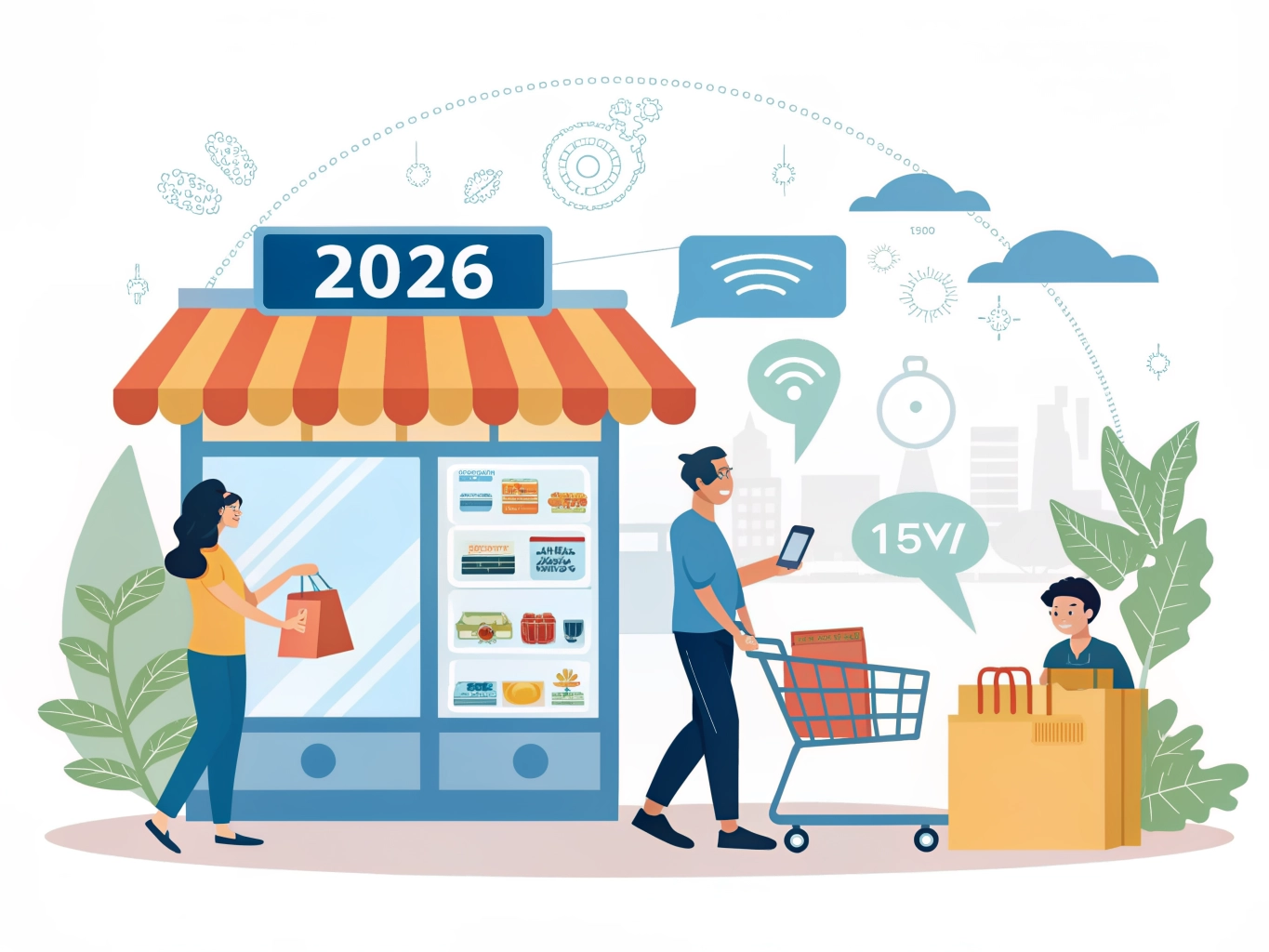
As we look toward 2026, the eCommerce landscape is evolving at an unprecedented pace. Online store owners must adapt to new technologies, consumer behaviors, and market demands to stay competitive. In this post, we will explore the most significant eCommerce trends that will define the online shopping experience in the near future.
The Rise of AI-Driven Personalization
Artificial intelligence (AI) is transforming how online retailers interact with their customers. By leveraging machine learning algorithms, online stores can offer highly personalized shopping experiences that cater to individual consumer preferences.
Dynamic Product Recommendations
AI systems analyze customer behavior and preferences in real time, enabling retailers to provide tailored product recommendations. Here are some key areas where AI-driven personalization will excel:
- Customized product suggestions based on browsing history and purchase patterns.
- Dynamic pricing strategies that adapt to perceived customer value.
- Chatbots that offer personalized assistance and customer service.
Augmented Reality (AR) In eCommerce
Augmented reality is set to revolutionize the way consumers shop online. AR technology allows customers to visualize products in a real-world context, enhancing their shopping experience.
Benefits of AR in Online Shopping
The integration of AR can significantly impact consumer purchasing decisions. Here are some benefits:
- Improved Visualization: Customers can see how products fit into their lives before making a purchase.
- Decreased Returns: By enabling consumers to visualize products accurately, AR can lead to lower return rates.
- Enhanced Engagement: Interactive shopping experiences can increase consumer engagement and time spent on sites.
Emphasis On Sustainability
As consumers become increasingly aware of environmental issues, sustainability is becoming a crucial factor in their purchasing decisions. Online retailers must prioritize eco-friendly practices to align with this growing demand.
Key Sustainability Practices
Here are some effective sustainability strategies that online stores can adopt:
- Using sustainable packaging materials for shipping.
- Implementing carbon-neutral delivery options.
- Offering second-hand or recycled products.
Mobile Commerce Continues To Dominate
With the increasing use of smartphones, mobile commerce (m-commerce) is becoming more prominent. By 2026, mobile shopping will likely account for a significant share of overall eCommerce sales.
Optimizing For Mobile Devices
To capitalize on this trend, online store owners should consider the following optimizations:
- Ensuring that their websites are mobile-responsive.
- Implementing mobile payment options such as digital wallets.
- Creating app experiences that enhance shopping convenience.
The Growth Of Social Commerce
Social media platforms are increasingly becoming venues for eCommerce transactions. Social commerce combines social interaction with the ability to buy products directly through social media channels.
Leveraging Social Media For Sales
Online retailers can utilize social media platforms as effective sales channels by:
- Creating shoppable posts that allow users to purchase directly from their feeds.
- Collaborating with influencers to reach targeted audiences.
- Running targeted ad campaigns to promote products and drive traffic to their stores.
Conclusion
The eCommerce landscape is rapidly changing, and staying informed about emerging trends is crucial for online store owners. By embracing AI-driven personalization, augmented reality, sustainability, mobile commerce, and social commerce, retailers can position themselves for success in 2026 and beyond.